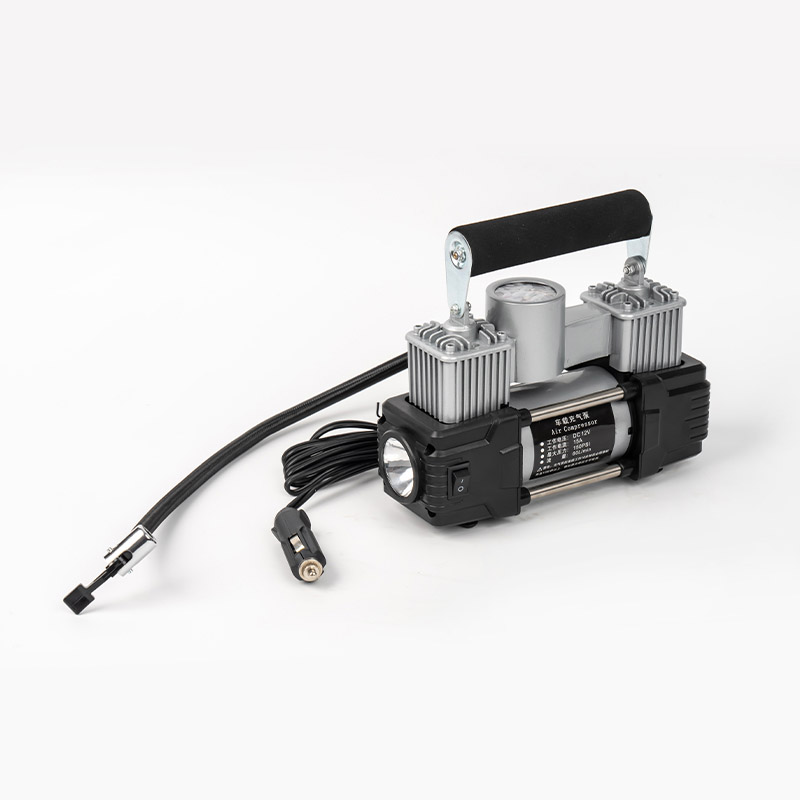
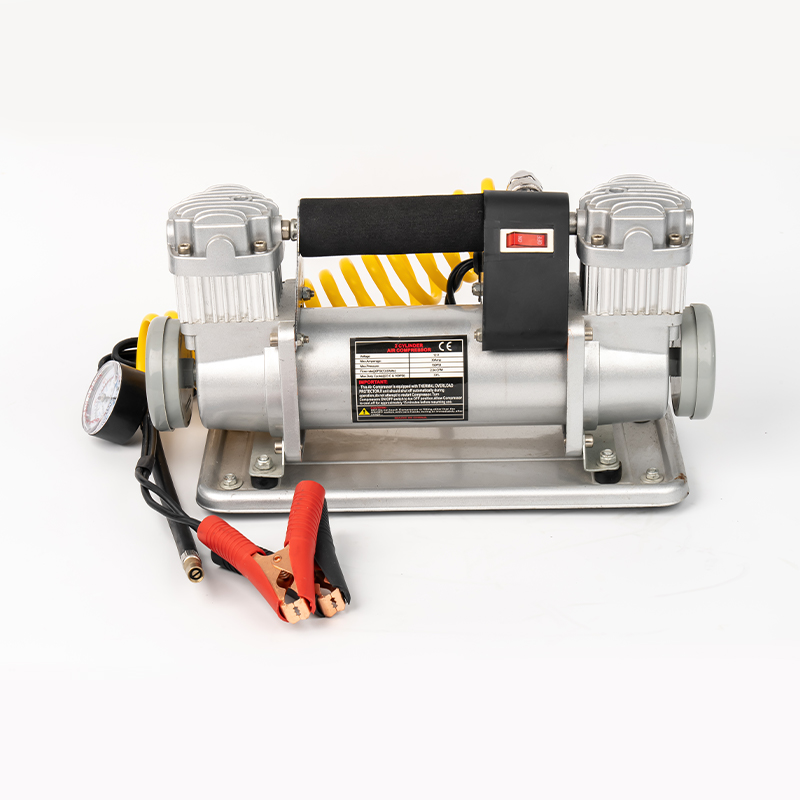
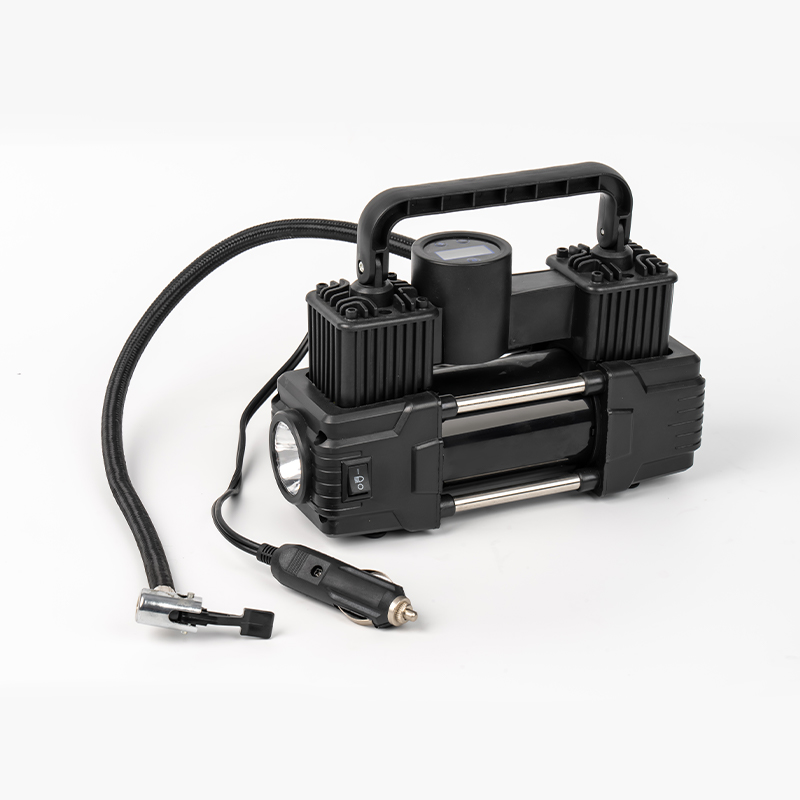
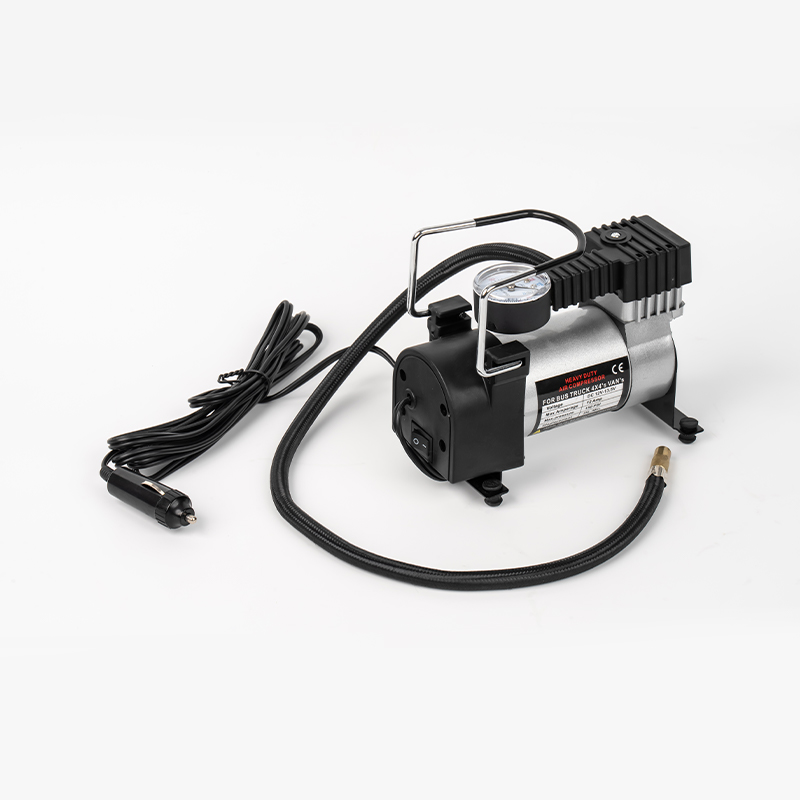
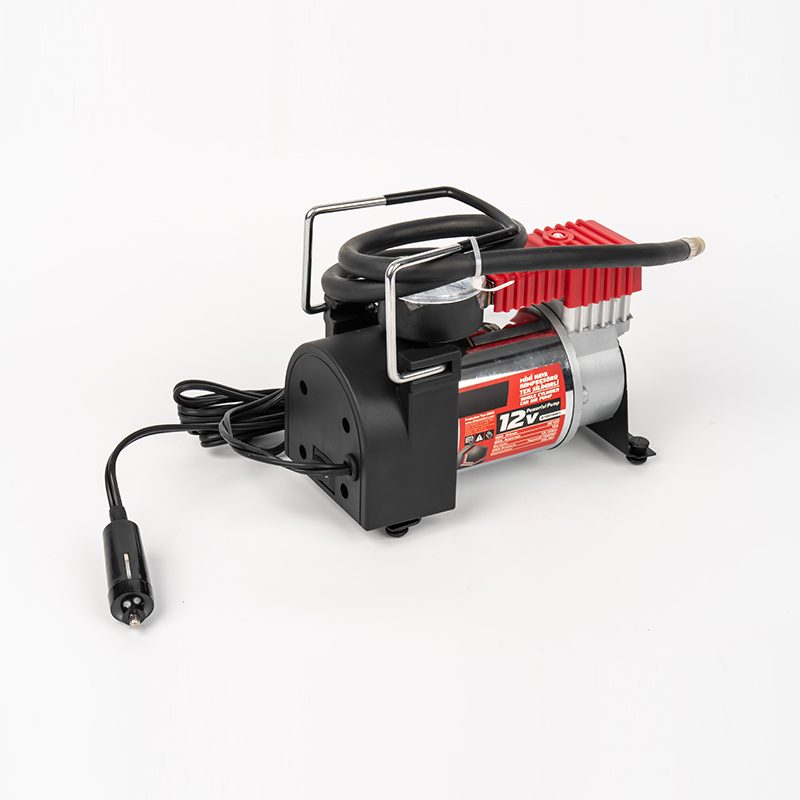
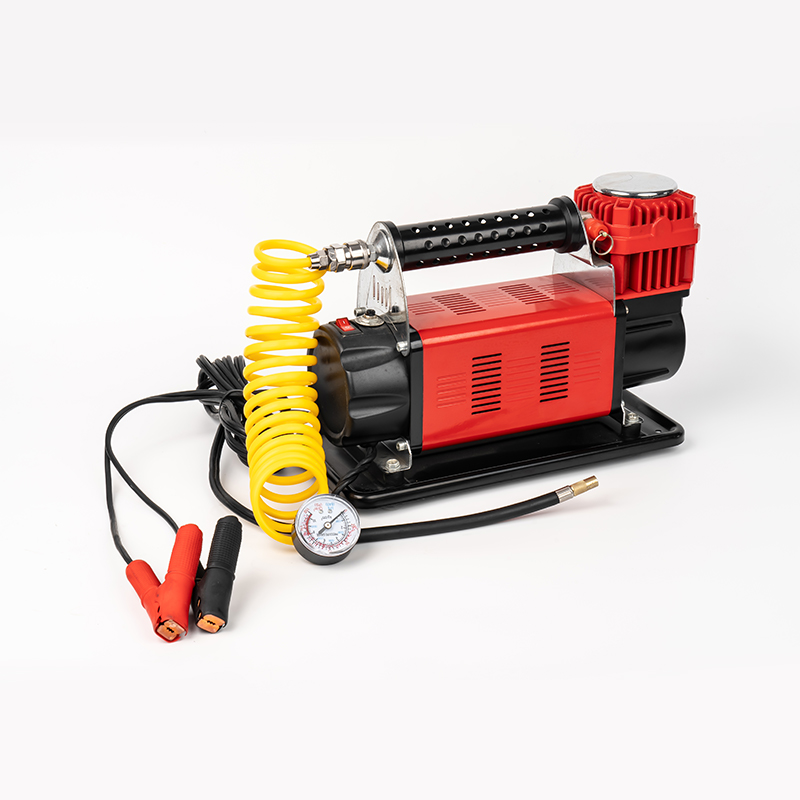
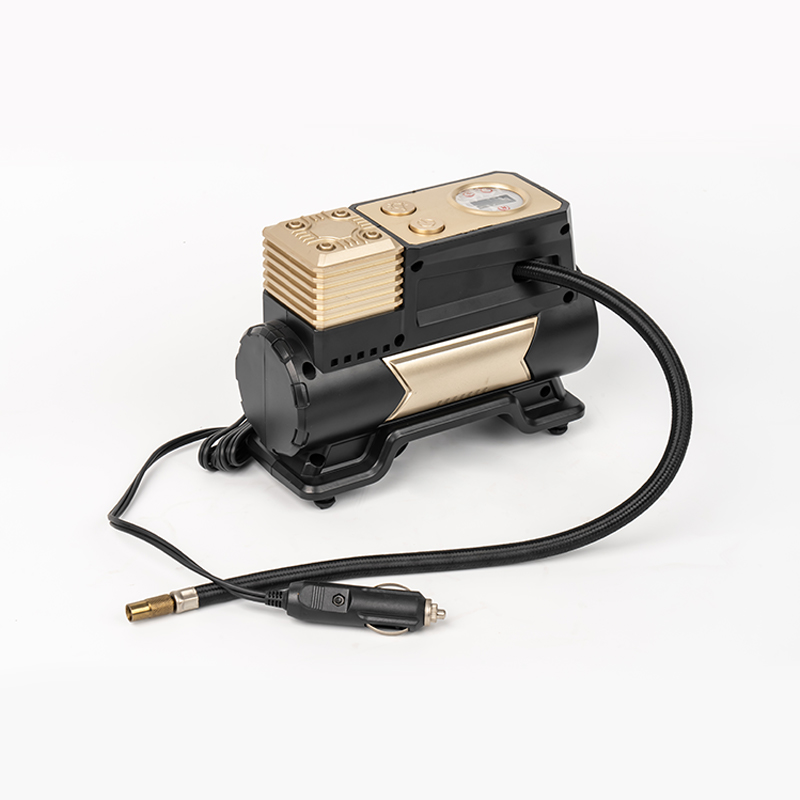
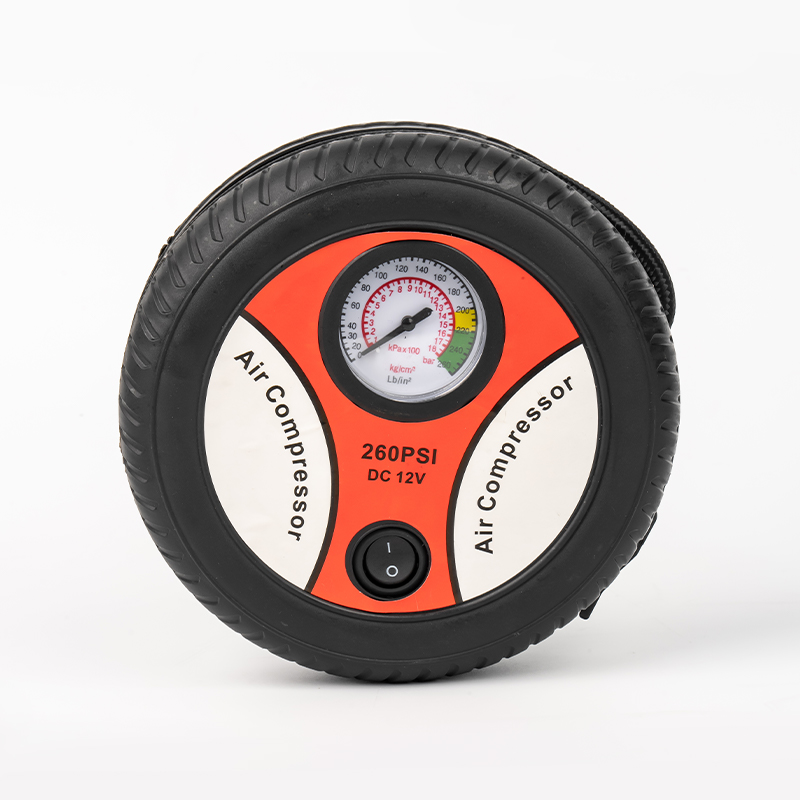
Per la maggior parte delle applicazioni professionali, a compressore d'aria montato su veicolo è il modo più efficiente, affidabile ed economico per fornire aria compressa continua sul campo. Che tu stia utilizzando utensili pneumatici in un cantiere edile, gonfiando pneumatici su un'autostrada remota o alimentando un'attrezzatura di spruzzatura in un'azienda agricola, il montaggio di un compressore d'aria direttamente sul tuo veicolo elimina la necessità di un rimorchio separato, riduce i tempi di installazione e garantisce di avere sempre energia dove serve. Questa guida analizza tutto ciò che devi sapere prima dell'acquisto.
Che cos'è un compressore d'aria montato su un veicolo?
Un compressore d'aria montato su veicolo è un sistema di aria compressa installato in modo permanente o semipermanente su un camion, furgone, veicolo utilitario o altro veicolo da lavoro. A differenza delle unità portatili o fisse, questi compressori sono alimentati direttamente dal motore del veicolo, tramite una presa di forza (presa di forza) azionata a cinghia, un sistema idraulico o un motore ausiliario dedicato, e immagazzinano l'aria compressa in un serbatoio di bordo per un utilizzo immediato.
Questi sistemi sono ampiamente utilizzati in settori quali l’edilizia, il petrolio e il gas, i servizi di emergenza, l’agricoltura e la manutenzione stradale. Una configurazione tipica può fornire ovunque Da 20 CFM (piedi cubi al minuto) a oltre 185 CFM , a seconda del tipo di compressore e della capacità del veicolo.
Come funziona un compressore d'aria montato su un veicolo?
Il compressore trae energia dal veicolo ospite, comprime l'aria ambiente e la immagazzina in un serbatoio ricevitore. Quando si collega uno strumento o un dispositivo pneumatico, l'aria immagazzinata viene rilasciata a pressione controllata. La maggior parte dei sistemi montati su veicoli includono:
- Pompa del compressore – L'unità centrale che pressurizza l'aria (vite rotante o pistone alternativo).
- Serbatoio del ricevitore – Immagazzina aria pressurizzata; le dimensioni tipiche vanno da 20 a 80 galloni su configurazioni montate su camion.
- Regolatore di pressione e valvola di sicurezza – Mantiene una pressione operativa sicura e previene la sovrapressurizzazione.
- Sistema di guida – Albero della presa di forza, motore idraulico o motore a gas/diesel autonomo.
- Avvolgitubi e prese per tubi dell'aria – Consentire il collegamento rapido degli strumenti sul luogo di lavoro.
Tipi di compressori d'aria montati su veicoli: qual è quello giusto per te?
Il tipo giusto dipende dal flusso d'aria richiesto (CFM), dalla pressione (PSI), dal tipo di veicolo e dal budget. Ecco una ripartizione delle tipologie più comuni:
1. Compressori rotativi a vite
Questi utilizzano due viti elicoidali ad incastro per comprimere l'aria in modo continuo. Sono ideali per applicazioni ad alta richiesta che richiedono un flusso d'aria costante. I modelli a vite rotante montati su camion di servizio in genere forniscono 40–185 CFM a 100–150 PSI . Funzionano a temperature più basse, sono più silenziosi e durano più a lungo rispetto ai modelli a pistone in servizio continuo.
2. Compressori a pistoni alternativi
I compressori a pistone utilizzano un meccanismo cilindro-pistone per comprimere l'aria a raffica. Sono più convenienti e adatti per un uso intermittente, come il gonfiaggio dei pneumatici o il funzionamento occasionale di utensili pneumatici. L'output tipico varia da 5–30 CFM a 150–175 PSI .
3. Compressori ad azionamento idraulico
Questi si collegano al sistema idraulico esistente del veicolo per alimentare il compressore. Sono compatti, eliminano la necessità di un motore separato e sono popolari sui camion utilitari e sui veicoli di emergenza. L'output è in genere 20-60 metri cubi .
4. Compressori azionati da presa di forza
Alimentati direttamente dalla trasmissione del camion tramite un albero di presa di forza, i compressori PTO sono comuni sui camion pesanti e sui veicoli di servizio. Offrono prestazioni robuste e possono raggiungere fino a 185 metri cubi , rendendoli adatti per la sabbiatura, il funzionamento con martello pneumatico e altri compiti impegnativi.
5. Compressori azionati da motore ausiliario
Questi utilizzano un piccolo motore a gas o diesel separato montato sul pianale del camion, indipendente dal motore principale del veicolo. Offrono la massima flessibilità (il compressore può funzionare anche quando il veicolo è spento) e vengono spesso utilizzati in luoghi remoti senza accesso all'alimentazione.
| Digitare | Tipico CFM | Ideale per | Ciclo di lavoro | Costo relativo |
| Vite rotante | 40–185 | Uso intenso e continuo | 100% | $$$$ |
| Pistone alternativo | 5–30 | Compiti intermittenti | 50-75% | $$ |
| Azionamento idraulico | 20–60 | Autocarri utilitari compatti | 100% | $$$ |
| Azionato dalla presa di forza | 40–185 | Autocarri pesanti | 100% | $$$ |
| Motore ausiliario | 30–185 | Utilizzo remoto off-grid | 100% | $$$ |
Tabella 1: Confronto dei tipi di compressori d'aria montati su veicolo in base a potenza CFM, applicazione, ciclo di lavoro e costo.
Compressore d'aria montato su veicolo e portatile: differenze chiave
Un compressore d'aria montato su veicolo supera un'unità portatile in termini di durata, capacità di produzione e costi operativi a lungo termine. Tuttavia, la portabilità presenta i suoi vantaggi per attività più leggere o acquirenti con budget limitato. Ecco come si confrontano:
| Caratteristica | Montato su veicolo | Compressore portatile |
| CFM massimo | Fino a 185 | Tipicamente 5-30 |
| Fonte di energia | Motore del veicolo/PTO/idraulico | Elettrico o gas |
| Tempo di installazione | Immediato (sempre pronto) | 5–15 minuti |
| Mobilità | Si sposta con il veicolo | Deve essere trasportato/trainato |
| Durabilità | Di livello industriale | Dal consumatore al semi-professionista |
| Costo iniziale | $ 1.500– $ 15.000 | $ 100– $ 2.000 |
| Utente ideale | Operatore professionale/di flotta | Fai da te/uso occasionale |
Tabella 2: Confronto testa a testa tra compressori d'aria montati su veicoli e portatili in base a parametri chiave di prestazioni e costi.
Principali industrie che si affidano ai compressori d'aria montati su veicoli
I compressori d'aria montati su veicoli sono attrezzature essenziali in almeno sei grandi settori in cui l'aria compressa mobile è una necessità operativa quotidiana.
Edilizia e lavori stradali
Gli equipaggi utilizzano compressori montati su camion per alimentare martelli pneumatici, avvitatrici a percussione, trapani pneumatici e martelli demolitori. Un singolo compressore rotativo a vite da 185 CFM può azionare contemporaneamente due martelli pneumatici senza caduta di pressione, riducendo significativamente i tempi di inattività dell'equipaggio.
Servizi per giacimenti di petrolio e gas
I tecnici sul campo si affidano a unità montate su veicoli per i test di pressione delle tubazioni, l'attuazione delle valvole e i controlli pneumatici. I compressori ad alta pressione con potenza nominale superiore a 150 PSI sono standard per queste applicazioni, soprattutto in luoghi a molte miglia dalla rete elettrica più vicina.
Servizi di emergenza e antincendio
I vigili del fuoco e le squadre di soccorso d'emergenza montano compressori sui veicoli di intervento per alimentare strumenti di soccorso idraulici, apparecchiature di taglio pneumatiche e stazioni di rifornimento di autorespiratori (autorespiratori). Affidabilità e disponibilità immediata non sono negoziabili in queste impostazioni.
Agricoltura e irrigazione
Gli agricoltori utilizzano compressori montati su camion per spruzzare pesticidi, pulire le linee di irrigazione prima dell’inverno, azionare seminatrici pneumatiche e gonfiare gli pneumatici dei trattori sul campo, spesso a miglia di distanza dal negozio più vicino.
Telecomunicazioni e servizi pubblici
Gli operatori dei servizi pubblici utilizzano compressori montati su veicoli per soffiare i cavi in fibra ottica attraverso i condotti, azionare strumenti pneumatici per l'installazione dei pali ed eliminare l'umidità dai cavi sotterranei. Studi nel settore dei servizi pubblici indicano che le configurazioni montate su veicolo riducono i tempi di configurazione per lavoro del fino al 40% rispetto ai compressori trainati da rimorchio.
Servizi per pneumatici e flotte
I veicoli mobili per il servizio pneumatici trasportano compressori d'aria montati su camion come strumento principale per il gonfiaggio dei pneumatici lungo la strada, il bloccaggio dei talloni e il funzionamento dell'avvitatore ad impulsi alimentato ad aria. Un compressore di dimensioni adeguate consente ai tecnici di posizionare il tallone di un pneumatico per autocarri in meno di 90 secondi.
Come scegliere il giusto compressore d'aria montato sul veicolo
Il fattore più importante quando si seleziona un compressore d'aria montato su veicolo è abbinare l'output CFM allo strumento più richiesto, non allo strumento medio. Segui questo quadro passo dopo passo:
Passaggio 1: calcola il tuo fabbisogno CFM totale
Somma i requisiti CFM di tutti gli strumenti che prevedi di eseguire contemporaneamente. Ad esempio: un avvitatore ad impulsi da 90 PSI (5 CFM) un cricchetto ad aria (4 CFM) un gonfiatore per pneumatici (2 CFM) = Minimo 11 CFM . Aggiungere un margine di sicurezza del 25–30%, portando il requisito a circa 14-15 metri cubi .
Passaggio 2: confermare il PSI richiesto
La maggior parte degli utensili pneumatici funziona tra 90 e 120 PSI. Strumenti speciali come sabbiatrici o pistole sparachiodi pneumatiche possono richiedere fino a 175 PSI. Non sottovalutare mai i requisiti PSI: il funzionamento degli strumenti al di sotto della pressione nominale ne riduce la durata e le prestazioni.
Passaggio 3: valuta la capacità di carico utile del tuo veicolo
Un sistema di compressione montato su camion completamente assemblato, comprensivo di serbatoio, compressore e telaio di montaggio, può pesare ovunque Da 150 libbre a oltre 1.000 libbre . Assicurarsi che il peso lordo del veicolo (GVWR) del veicolo supporti il carico aggiunto senza superare i limiti legali.
Passaggio 4: scegliere il tipo di unità corretto
Se il tuo camion è dotato di una presa di forza sulla trasmissione, un'unità azionata dalla presa di forza è la scelta più conveniente. In caso contrario, sarà necessario un compressore idraulico o un motore ausiliario. Valuta se è necessario che il compressore funzioni a veicolo fermo o solo durante la guida.
Passaggio 5: fattore nelle condizioni ambientali
Il funzionamento in condizioni di freddo estremo inferiore a -20 ° F o di caldo estremo superiore a 110 ° F influisce sulle prestazioni del compressore e sulla viscosità dell'olio. Scegli un'unità con un design raffreddato ad olio e temperature nominali adeguate. Cerca custodie con grado di protezione da polvere/umidità IP54 o superiore per ambienti difficili.
Suggerimenti per l'installazione di sistemi di compressione d'aria montati su veicoli
Una corretta installazione è importante quanto una corretta selezione: un compressore montato in modo inadeguato può causare danni da vibrazioni, surriscaldamento o rischi per la sicurezza. Le principali linee guida per l'installazione includono:
- Utilizzare supporti antivibranti: I cuscinetti isolanti in gomma tra il compressore e il telaio del pianale del camion riducono la fatica del metallo e prolungano significativamente la durata.
- Garantire un flusso d'aria adeguato intorno all'unità: Lasciare almeno 6-12 pollici di spazio su tutti i lati per la dissipazione del calore. Il surriscaldamento è la causa più comune di guasto prematuro del compressore.
- Disporre le linee dell'aria lontano dai componenti di scarico: Il calore elevato proveniente dal sistema di scarico può degradare i materiali dei tubi dell'aria e contaminare l'alimentazione dell'aria con sottoprodotti della combustione.
- Installare un separatore di umidità e un essiccatore d'aria: L'umidità nell'aria compressa provoca ruggine nei serbatoi, corrode le parti interne degli strumenti e peggiora la qualità dell'aria per applicazioni sensibili come la verniciatura o l'uso medico.
- Etichettare tutte le valvole di intercettazione e i punti di scarico della pressione: In caso di emergenza, la rapida identificazione delle interruzioni può prevenire lesioni e danni alle apparecchiature.
Programma di manutenzione per compressori d'aria montati su camion
Il rispetto di un programma di manutenzione regolare può prolungare la durata di un compressore d'aria montato su un veicolo del 30-50% rispetto alle unità trascurate. Ecco una pratica lista di controllo per la manutenzione:
| Intervallo | Compito |
| Ogni giorno | Scaricare la condensa dal serbatoio del ricevitore; controllare il livello dell'olio; ispezionare i tubi per individuare eventuali crepe o perdite |
| Settimanale | Controllare e pulire il filtro dell'aria; valvola limitatrice di pressione di prova; controllare l'usura della cinghia di trasmissione |
| Mensile | Stringere tutti i bulloni e i raccordi di montaggio; verificare lo stato dell'elemento separatore; pulire le alette del radiatore |
| Ogni 500 ore | Cambiare l'olio del compressore e il filtro dell'olio; sostituire l'elemento separatore aria/olio; controllare l'usura della valvola |
| Ogni anno | Ispezione completa dell'integrità del serbatoio; taratura del manometro; sostituzione completa del tubo flessibile e del raccordo se usurati |
Tabella 3: Intervalli e attività di manutenzione consigliati per i sistemi di compressione d'aria montati su veicoli per massimizzare la durata operativa.
Considerazioni sulla sicurezza che non puoi ignorare
I sistemi ad aria compressa funzionano a pressioni estreme e possono causare lesioni gravi o mortali se utilizzati in modo improprio o inadeguata manutenzione. Osservare sempre le seguenti norme di sicurezza:
- Non superare mai il PSI nominale massimo del compressore. La maggior parte dei serbatoi sono conformi agli standard ASME con un fattore di sicurezza, ma la sovrapressione può causare guasti catastrofici.
- Depressurizzare sempre il sistema prima di eseguire qualsiasi manutenzione. Anche la pressione residua nei tubi può causare lesioni da sconnessione improvvisa.
- Non puntare mai un ugello dell'aria verso una persona: l'aria iniettata nella pelle può causare un'embolia gassosa, che può essere fatale.
- Ispezionare tubi e raccordi prima di ogni utilizzo. Un tubo da 150 PSI che è stato degradato dai raggi UV potrebbe non funzionare a pressioni molto più basse.
- Rispettare le normative OSHA 29 CFR 1910.169 sulla sicurezza dell'aria compressa se si opera in un ambiente commerciale o industriale negli Stati Uniti.
Domande frequenti sui compressori d'aria montati su veicoli
D: Posso installare un compressore d'aria montato su un veicolo su un camioncino?
SÌ. Molti compressori rotativi a vite e a pistoni compatti sono progettati specificatamente per l'installazione su camioncini, in genere sul pianale del camion o dietro la cabina. Assicurarsi che il peso combinato dell'unità e del serbatoio non superi il carico utile nominale del camion, che in genere varia da 1.000-2.200 libbre per camion da mezza tonnellata e tre quarti di tonnellata.
D: Quanto dura un compressore d'aria montato su un veicolo?
Un compressore d'aria rotativo a vite montato su veicolo ben mantenuto può durare 10.000–20.000 ore di funzionamento , che si traduce in 10-20 anni di utilizzo professionale tipico. I modelli a pistone durano generalmente dalle 3.000 alle 5.000 ore in caso di utilizzo intensivo.
D: Il funzionamento di un compressore influisce sul consumo di carburante del mio veicolo?
Sì, ma l'impatto varia in base al tipo di unità. È possibile aggiungere un compressore azionato dalla presa di forza 1–3 MPG di consumo di carburante durante il funzionamento a pieno carico. I sistemi azionati idraulicamente sono leggermente più efficienti, mentre le unità motore ausiliarie funzionano con la propria fornitura di carburante separatamente dal veicolo ospite.
D: Di quali dimensioni è necessario il compressore d'aria per un camion di servizio?
Per un tipico camion di servizio che utilizza da due a tre utensili pneumatici contemporaneamente, a Unità da 30–60 CFM a 100–125 PSI di solito è sufficiente. Se utilizzi un'unità per carichi pesanti come un martello pneumatico o una sabbiatrice, pianifica almeno 90-185 CFM.
D: Un compressore montato su un veicolo può funzionare quando il veicolo è parcheggiato e il motore è spento?
I compressori idraulici e azionati dalla presa di forza richiedono che il motore del veicolo sia in funzione. Tuttavia, motocompressori ausiliari funzionano indipendentemente dal motore principale del veicolo, rendendoli la scelta preferita per le applicazioni in cui il veicolo deve essere spento sul posto, come in zone a rischio di incendio o durante lavori stazionari prolungati.
D: Qual è la fascia di prezzo tipica per un compressore d'aria montato su un veicolo?
Le unità entry-level a pistone partono da circa $ 1.500– $ 3.000 . Costo delle unità rotanti a vite di fascia media $ 4.000– $ 8.000 . I sistemi montati su camion di livello industriale ad alto rendimento possono superare $ 12.000– $ 20.000 , soprattutto quando sono inclusi l'installazione completa e l'hardware di montaggio personalizzato.
Verdetto finale: vale la pena investire in un compressore d'aria montato su un veicolo?
Per qualsiasi professionista che fa affidamento sull'aria compressa sul campo più di qualche volta alla settimana, un compressore d'aria montato su veicolo si ripaga da solo grazie al risparmio di tempo, alla ridotta usura delle apparecchiature e a una maggiore flessibilità operativa. La possibilità di raggiungere qualsiasi luogo e accedere immediatamente ad aria compressa ad alto rendimento, senza montare rimorchi, utilizzare prolunghe o attendere l'accumulo di pressione, è un vero vantaggio competitivo.
Se sei un fai-da-te del fine settimana con esigenze di luce, un'unità portatile potrebbe essere sufficiente. Ma se il tuo sostentamento dipende da aria compressa affidabile e ad alto volume sul campo, investire nel giusto sistema di compressore d'aria montato su camion è una delle decisioni con il ROI più alto che puoi prendere.
Utilizza le tabelle di confronto e il quadro di selezione contenuti in questa guida per abbinare il giusto tipo, classificazione CFM e sistema di azionamento al tuo esatto flusso di lavoro e avrai un sistema che offre prestazioni costanti per un decennio o più.